Archaeological adventures and cultural connections in Limmen National Park
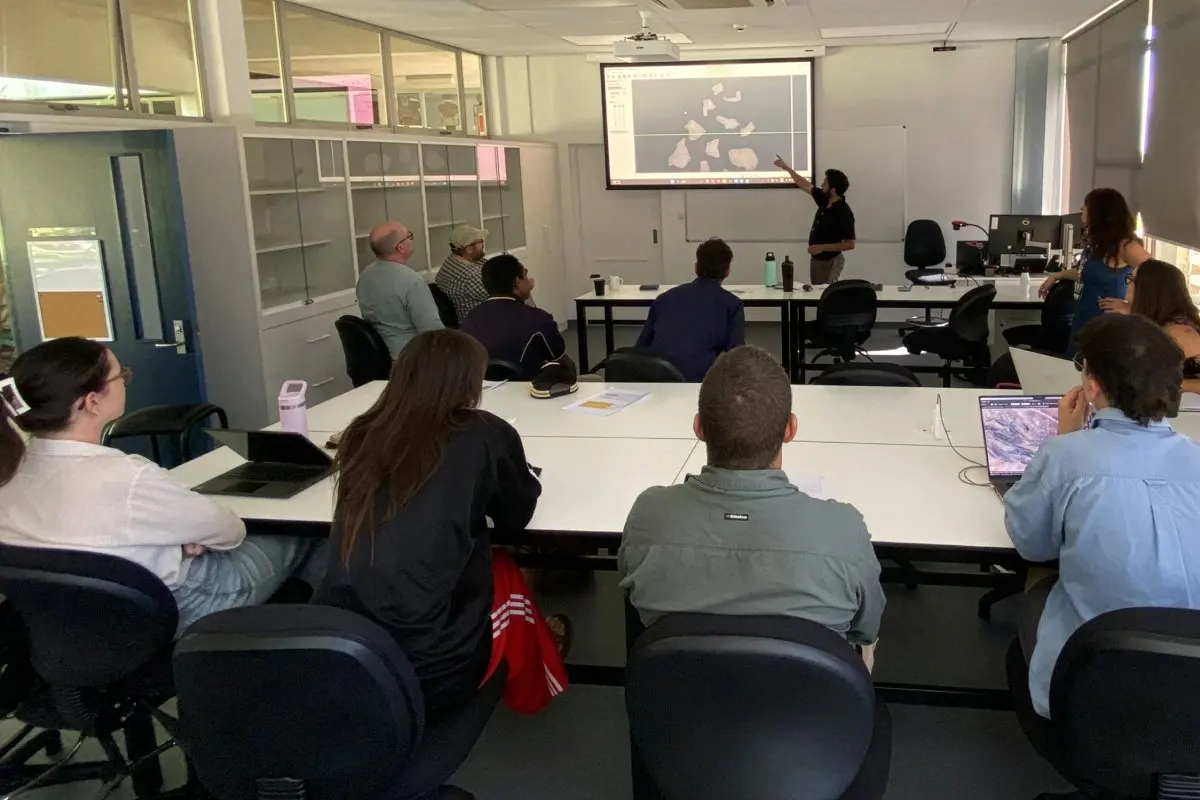
Researchers, Marra Traditional Owners and Parks and Wildlife staff came together at Flinders University in February for an inspiring catch‑up on an archaeological project underway at Limmen National Park. The research combines archaeology and Aboriginal knowledge to support cultural heritage protection and long‑term care for these important places.
The project, ‘Investigating the archaeological values of Marra cultural heritage sites’ is in its third year of a 5-year $800,000 Australian Research Council Linkage Grant.
This work is happening on the traditional country of the Marra people and is led by Professor Liam Brady from Flinders University. The team includes diverse and dedicated researchers from other institutions across the country in partnership with Marra Traditional Owners and supported by Parks and Wildlife. Using a 2-way learning approach, the research is bringing together archaeological and anthropological data with Aboriginal knowledge to better understand the meaning, context and significance of the archaeological record on Marra country in Limmen National Park. The work has highlighted a rich cultural landscape and a deep record of knowledge held by senior Marra men and women.
The research not only looks to the past but delivers practical benefits for cultural heritage protection, education and land management. One of the main project goals is to inform a cultural heritage management plan that will support Marra families and Parks and Wildlife in caring for these important places into the future. The project also provides opportunities for young people to visit the archaeological sites and learn from Elders and researchers through the Ngukurr and Borroloola Learning on Country programs. The project also provides opportunities to bring Elders and other Marra people back to their country.
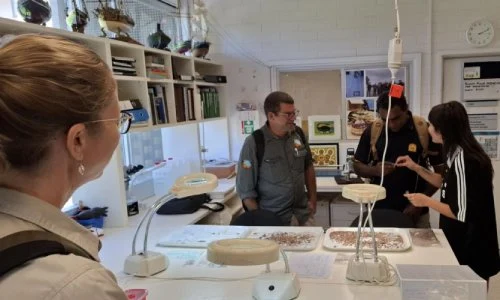
The February gathering was buzzing with enthusiasm, as project partners heard about recent progress, got hands‑on with some of the unearthed artefacts, heard about the innovative techniques being used to analyse them, and shared cultural knowledge. Discussion also turned to fieldwork planning and the return and re-burial of removed artefacts, which is an important part of the project schedule.
Limmen National Park features dramatic sandstone formations and large river systems that meander through floodplains and savanna woodlands interspersed with large permanent billabongs and natural springs. While adding to the adventure, the terrain and remoteness also present logistical challenges in terms of supporting the team for several weeks of fieldwork each year with food, facilities, and safe access. This can involve a lot of 4WDing, boat travel, bushwalking and creative problem solving. These challenges aren’t dampening the anticipation for the 2026 field work season though. Capably supported by the Parks and Wildlife rangers at Limmen, the team is well-equipped with a shared purpose and plenty of ingenuity and enthusiasm.